Festivities are meant to be joyful—filled with friends, food, decorations, music. But many celebrations also come with a hidden cost: the heavy use of single-use plastic. From plastic cups and cutlery to party favors, decorations, and balloons, a lot of the items we use for just a few hours often last in the environment for decades (or longer). Below are some of the major impacts, backed by the latest data, followed by ways we can reduce harm.
How Plastic Use in Celebrations Adds Up
- Massive amounts of single-use waste.
Parties often rely heavily on disposable plastic items: plates, cups, straws, utensils, party bags, wrapping, decorations, balloons, etc. Many of these are used only once—or even for just part of one event—and then are thrown away. - Low recycling rates.
Even when plastic items are recyclable, many aren’t recycled. Either the item isn’t collected properly, or it’s contaminated (food, grease), or the local recycling system can’t process certain kinds of plastic. This means a large fraction of what we think we are recycling ends up in landfills or environments anyway. - Long lifespan in the environment.
Plastics take a very long time to degrade. Some items break down into microplastics, which don’t completely disappear and can travel through water, soil, the food chain, and even into human bodies. - Production and climate impacts.
Plastic is derived primarily from fossil fuels. The extraction, refining, processing, transportation all contribute to greenhouse gas (GHG) emissions. Also, the chemicals used in many plastics can be toxic or become pollutants. - Health risks.
Microplastics, and the additives used in many plastic products (like flame retardants, heavy metals, plasticizers) can have adverse health effects. While research is ongoing, there is growing evidence connecting exposure to certain plastics / plastic additives to issues like endocrine disruption, respiratory problems, etc.
Why It Matters: Environmental, Ecological, and Human Effects
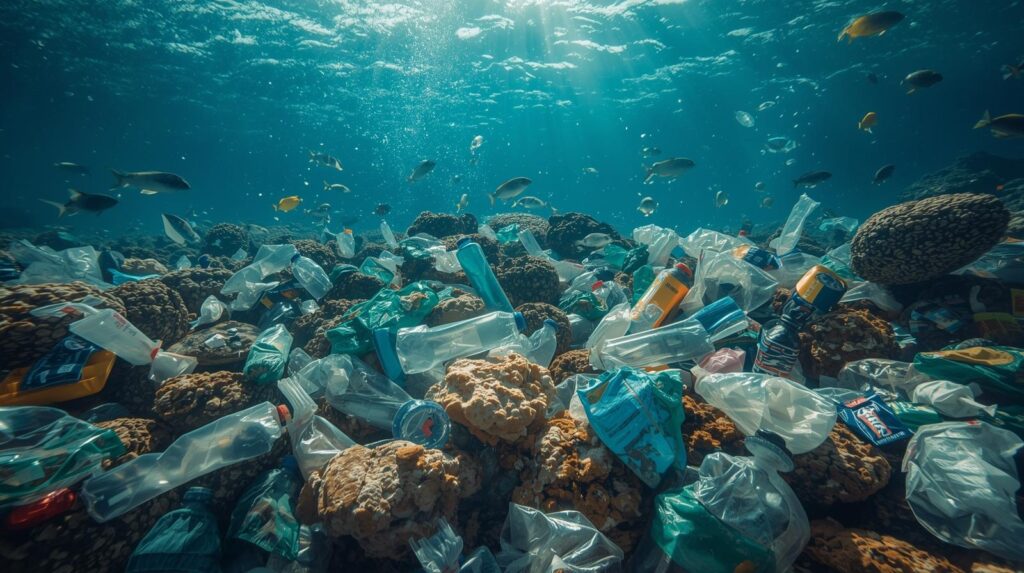
- Landfill overload & pollution. Many single-use plastic items end up in landfills, taking up space, leaching chemicals, or breaking down but not disappearing (forming microplastics).
- Wildlife & ecosystems suffer. Animals ingest plastic or become entangled. Microplastics travel through waterways into oceans, soils, etc., altering ecosystem function and hurting biodiversity.
- Human exposure and health risks. Plastic additives and microplastic particles can make their way into food, water, air. Studies are finding plastic particles in human blood, placenta, etc. Health impacts include, or potentially include: endocrine disruption, inflammation, potentially certain cancers, developmental issues, etc.
- Carbon footprint. Plastic is made from fossil fuels; everything from extraction to disposal has a carbon cost. GHGs from plastic production and disposal contribute to climate change.
Practical Steps to Reduce Plastic Use for Celebrations

Here are actionable ways individuals, event planners, and families can reduce plastic’s footprint when celebrating:
- Use reusable partyware.
Plates, cups, utensils that can be washed and reused are much better than disposables. Even renting dishes, glassware, etc., is often viable. - Choose compostable or biodegradable alternatives (made from bamboo, palm leaf, bagasse, etc.) with awareness: ensure that local supply chain / waste infrastructure can actually compost them.
- Reduce decorations made of plastic.
Use fabric banners, paper decorations, natural materials (flowers, leaves), or reuse decorations from previous events. - Avoid plastic balloons (where possible). They often end up as litter; latex or natural alternatives are better, though even latex balloons have issues.
- Minimize plastic packaging.
When buying food or supplies, choose bulk rather than individually wrapped items. Use reusable containers or sustainable packaging. - Digital invitations, favors, etc. Reduce printing, plastic swag, etc.
- Responsible disposal. When plastics are used, sort them properly. Cleaned out plastics are more likely to be recycled. Avoid contaminating recycling bins. If possible, support local recycling / waste collection services.
- Raise awareness. Host conversation around sustainable practices; encourage guests to contribute (e.g. bring reusable water bottles / cups).
Our celebrations are beautiful moments. But the convenience of plastic often hides long-term costs — to the land, to wildlife, to climate, and even to human health. The data shows that much of what we use once stays much, much longer. By making mindful choices—things like reusables, compostables, reducing packaging—we can still throw joyful gatherings without leaving behind a heavy environmental footprint.
If more people, communities, and industries chose to rethink their use of plastic in celebrations, the cumulative effect could be large. And given how many parties happen every year, even small changes multiplied many times can add up to real environmental benefit.